
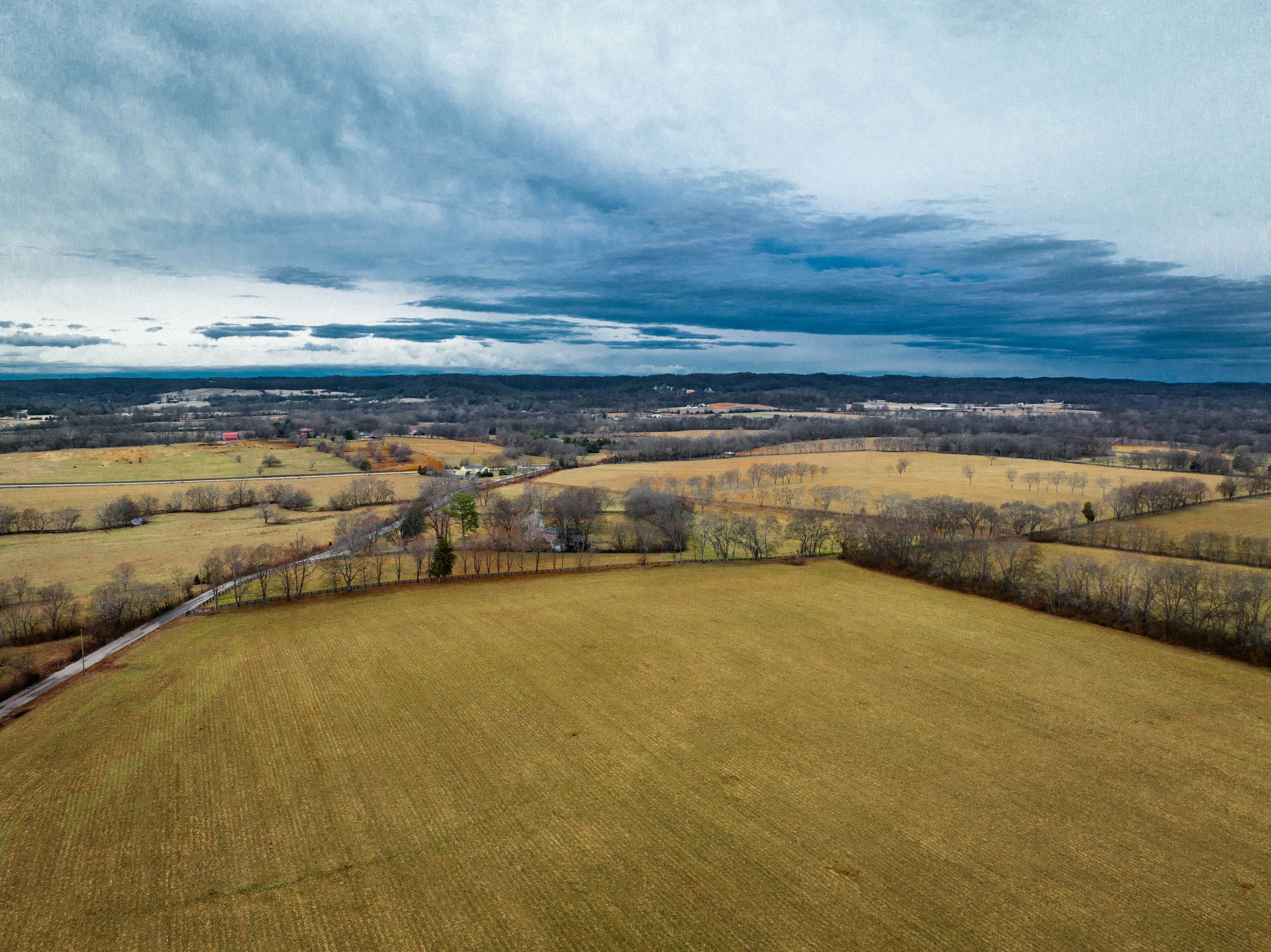
Dividing vs. Selling Whole: What West Tennessee Landowners Need to Know Before Listing Large Parcels
When the time comes to sell a family farm, timberland, or a large tract of rural acreage in West Tennessee, one of the first and most critical decisions you will face is how to package the property.
Should you list the entire parcel as one complete tract, or does it make more financial sense to divide the land into smaller homesteads or building lots?
At Winstead Real Estate & Land, we help landowners across Weakley, Obion, Gibson, and surrounding counties evaluate their acreage to maximize their return. While dividing land can sometimes unlock higher per-acre values, it isn't always the right move for every property or seller. Here is a breakdown of what you need to consider before making your decision.
The Case for Dividing: Unlocking Higher Per-Acre Value
It is a basic rule of real estate economics: smaller parcels almost always sell for a higher price per acre than large contiguous tracts.
A buyer looking for a 5- to 10-acre country homesite might happily pay $8,000 to $12,000+ per acre. However, a buyer looking at a 200-acre tract expects a wholesale price point per acre because of the overall total capital required.
Dividing your land often makes sense if:
You Have Ample Road Frontage: Parcels with extensive paved county road frontage are ideal for division because each newly created lot can have direct access without requiring expensive road construction.
There is High Demand for Residential Building Sites: If your property is located near growing communities, quality school districts, or main commuter corridors, demand for 5- to 20-acre country building lots is likely strong.
You Want to Reach a Broader Buyer Pool: The buyer pool for a $50,000 to $150,000 land purchase is vastly larger than the pool of buyers qualified to purchase a multi-million-dollar agricultural or recreational tract.
The Upfront Costs and Hurdles of Dividing
While dividing land can increase total gross revenue, it also comes with upfront investments, logistical steps, and time commitments that must be factored into your bottom line:
Surveying & Engineering Fees: Dividing acreage requires hiring a licensed surveyor to mark legal boundaries and create new plats for each tract.
County Regulations & Planning Commission Approval: Depending on the county and lot sizes, you may need approval from local planning commissions, zoning boards, or soil scientists for perk tests (septic suitability).
Utility Access & Infrastructure: Buyers want ready-to-build sites. If water lines or electric poles aren't available along the frontage, or if you need to build a shared gravel road or cul-de-sac, development costs can quickly erode profits.
Holding Costs & Sales Speed: Selling eight separate lots often means eight separate transactions, closings, and buyers—which can take longer than a single transaction for the full parcel.
The Case for Selling Whole: Speed, Simplicity, and Preservation
Selling a farm or large tract as a complete unit remains one of the cleanest, most efficient ways to liquidate land.
Selling whole makes the most sense when:
It’s Active Farmland or Income-Producing: Premium row-crop ground or active agricultural operations carry strong intrinsic value as a unit. Farmers, investors, and 1031-exchange buyers frequently look for contiguous acreage to keep farming operations efficient.
It’s a Prime Recreational or Hunting Tract: High-end hunting properties with established food plots, timber stands, creek bottoms, and wildlife management history command top dollar from outdoorsmen who want privacy and contiguous acreage.
You Want a Single, Hassle-Free Transaction: Selling as a single tract means one buyer, one contract, one survey (if needed), and one closing date—allowing you to cash out your equity quickly without managing multiple sales.
The Hybrid Strategy: Multi-Tract Auctions or Split Offerings
You don't always have to choose just one path upfront. A proven marketing strategy involves offering the property in modules or multi-tract offerings.
Through targeted marketing, a property can be offered to the market as individual tracts, combinations of tracts, or as a whole. This allows the market to compete and reveals whether the total value of individual buyers outweighs a single buyer taking the entire property.
How Winstead Real Estate & Land Helps You Decide
Every piece of dirt in West Tennessee has a unique story, topography, and highest-and-best use. Before laying out money for surveys or putting up a sign, let our team run a comprehensive analysis of your acreage.
We evaluate:
Recent land sales and per-acre pricing trends in your specific county.
Road frontage, utility proximity, and septic viability.
Local buyer demand trends across residential, agricultural, and timber markets.
Net yield comparisons: Gross Revenue from Division minus Upfront Costs vs. Total Net from a Single Tract Sale.
Ready to Explore Your Options?
Whether you're managing an estate, transitioning out of farming, or simply evaluating the value of your acreage, Winstead Real Estate & Land is here to guide you with local roots and honest expertise.
Contact us today at Winstead Real Estate & Land for a confidential, no-obligation land evaluation.