
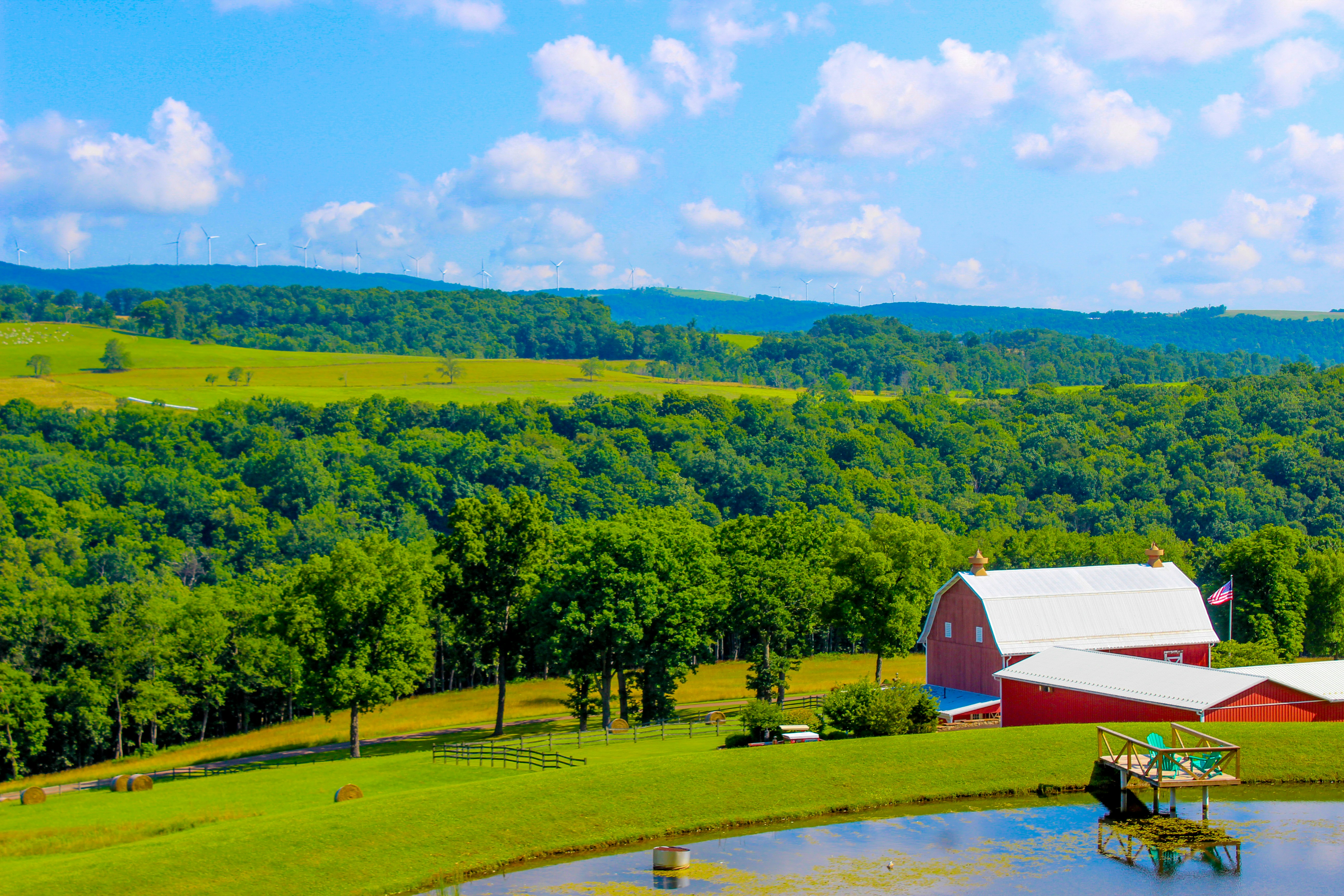
Starting or Expanding Your Livestock Operation: What to Look for in a West Tennessee Cattle Farm
Whether you are looking to purchase your first piece of rural acreage or expanding an established cattle herd into Northwest and Western Tennessee, selecting the right farm involves far more than just looking at overall acreage and price tags. West Tennessee offers incredible advantages for livestock producers—rich soil profiles, dependable rainfall, and a generous growing season. However, evaluating how efficiently a property can support livestock requires a sharp, trained eye.
At Winstead Real Estate & Land Co., our deep roots in agricultural engineering, land management, and local rural real estate help buyers evaluate the true functional potential of pastureland across Weakley, Obion, Gibson, Lake, and Henry counties.
If you are currently evaluating pasture and livestock acreage, here are the essential factors to analyze before making an offer.
1. Essential Infrastructure: Fencing, Barns, and Perimeter Security
The strength and layout of a farm's existing infrastructure directly dictate how quickly you can turn cattle onto the land without incurring immediate, out-of-pocket capital expenses.
Perimeter Fencing: Inspect the condition of external boundaries carefully. High-tensile smooth wire, woven wire, or five-strand barbed wire with sturdy corner braces are standard for holding stock. Check for rusted wire, rotten posts, or overgrown tree lines that could compromise perimeter security.
Cross-Fencing & Paddocks: Existing internal cross-fencing adds significant practical value. It allows you to immediately manage livestock movement, separate herds, or isolate sick animals without having to build new lane systems from scratch.
Outbuildings & Working Barns: Look beyond the fresh paint on a barn. Evaluate structural integrity, roof condition, overhead clearance for equipment, and livestock working facilities. Properties with head gates, sweep tubs, holding pens, and covered equipment storage give you a major head start.
2. Water Source Availability & Reliability
Unrestricted access to clean, reliable water is non-negotiable for cattle health and herd efficiency. A mature cattle herd can drink up to 15 to 20 gallons of water per animal per day during hot West Tennessee summer months.
Ponds & Natural Creeks: Natural water features like year-round streams, springs, and stocked livestock ponds provide excellent baseline water. Evaluate whether ponds are fenced off to prevent erosion and muddying, or if livestock drink directly from them.
Well Infrastructure & Water Lines: High-performing operations often rely on deep wells connected to underground water lines and freeze-proof automatic waterers. Verify well depth, flow rate (GPM), pump condition, and whether power is already run to primary watering points across distant pastures.
3. Forage Production, Land Clearing, & Carrying Capacity
Understanding a farm's carrying capacity—the number of stocking units the land can sustainably feed—is critical to setting realistic expectations and calculating potential return on investment.
Estimating Carrying Capacity: In West Tennessee, lush, well-managed tall fescue, bermudagrass, and clover pastures can typically support roughly 1.5 to 2 acres per animal unit (AU) under good management. However, neglected pastures, high weed pressure, or heavily shaded wooded areas will reduce that ratio significantly.
Rotational Grazing Potential: Properties configured or easily adaptable for rotational grazing allow you to maximize forage utilization, build soil health, and extend the grazing season into late fall and early winter. Look for pasture layouts that accommodate central alleyways connecting back to water sources.
Unimproved vs. Cleared Pasture: Unimproved ground or semi-wooded acreage may offer a lower purchase price per acre, but brush clearing, soil lime/fertilizer applications, and seedbed preparation add up quickly. Weighing the upfront cost of cleared, turnkey pasture against the long-term investment of reclaiming brushy timberland is where expert land management advice becomes invaluable.
Find Your Next West Tennessee Livestock Property with Winstead Real Estate & Land Co.
Finding the ideal cattle farm requires a partner who understands both real estate dynamics and hands-on agricultural land evaluation. From calculating forage potential and checking soil types to assessing structural facilities, the team at Winstead Real Estate & Land Co. is ready to help you make informed, confident land investments.
Ready to explore available working farms and pastureland in Northwest & West Tennessee? Contact Winstead Real Estate & Land Co. today to schedule a private land walkthrough or request a custom property search tailored to your operation's specific goals.