
Late-Summer Conservation: Managing Timber, Wildlife, and Cattle on 100-Acre West Tennessee Ranches
August in West Tennessee tests every acre you own. The humidity settles over the rolling hills of counties like Hardeman, Fayette, and Weakley, cool-season grasses stall out, and water holes begin to drop.
For owners of 100-acre hybrid properties—where cattle production, timber management, and fall hunting goals overlap—late summer isn't a dead zone. It’s the critical prep window.
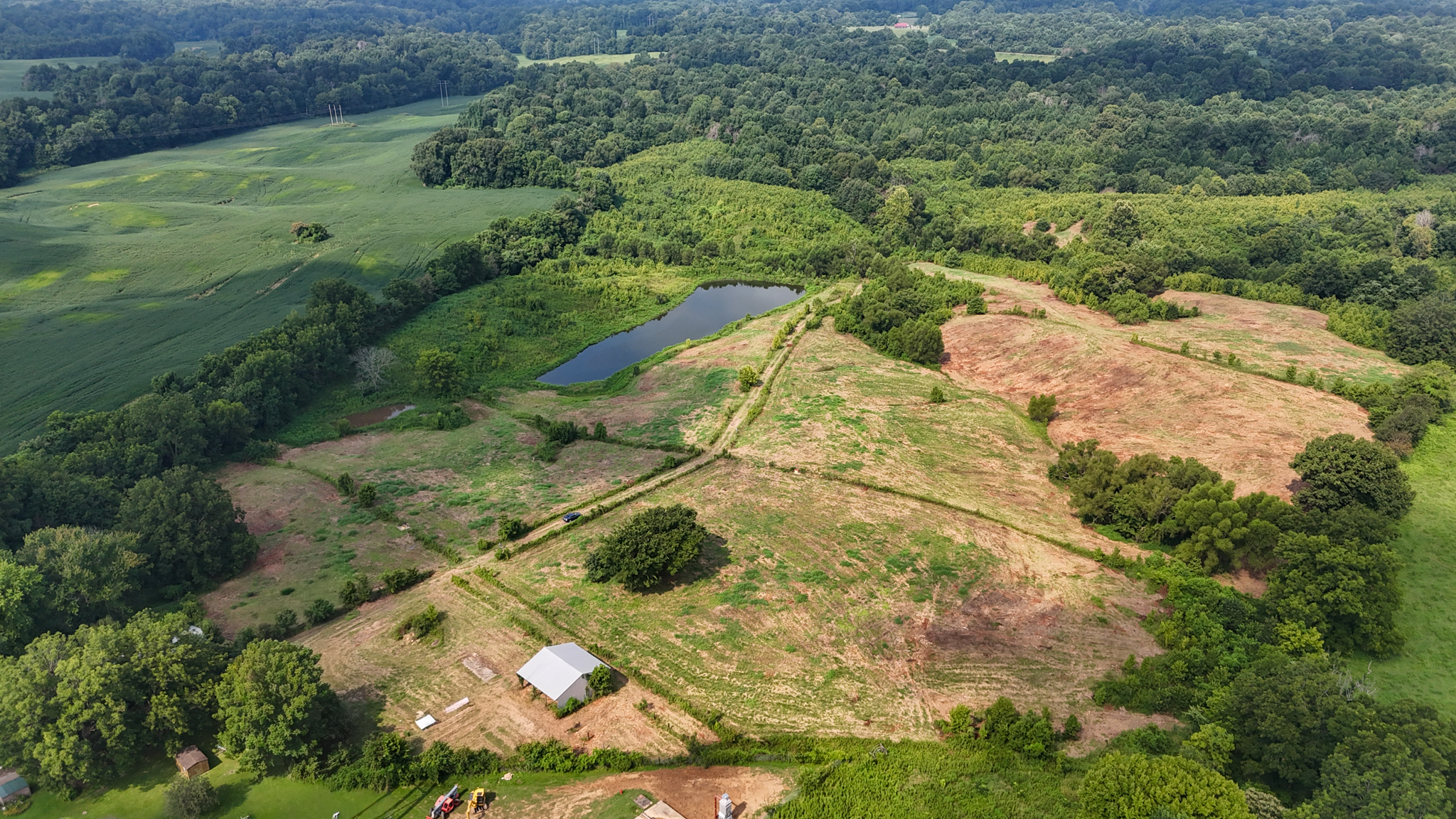
A 100-acre tract in West Tennessee is the ideal size for active multi-use land stewardship. It’s large enough to hold resident white-tailed deer and wild turkey flocks while supporting a small cattle herd, yet compact enough for a single land steward to manage effectively.
Here is how to balance livestock, hardwood timber, and wildlife habitat during West Tennessee’s late-summer dry stretch ahead of opening day.
1. Rotational Grazing: Protecting Forage and Wildlife Cover
By late August, tall fescue suffers from heat dormant stress, and continuous grazing on 100 acres can quickly turn pastures into dirt lots. Overgrazing in late summer destroys soil moisture retention and strips away cover that deer and turkey need.
The 100-Acre Rotation Strategy
Divide your open pasture into smaller paddocks (even 3 to 4 sections using temporary polywire fencing):
Rest Pastures Early: Strip-graze or rotate cattle off key pasture edges that border hardwood timber or brushy draws.
Preserve Fawn and Poult Cover: Leaving 8 to 12 inches of residual warm-season stubble (like native big bluestem, indiangrass, or established Bermudagrass) along timber edges gives turkey poults insect-rich foraging ground and keeps late-summer deer bedding areas intact.
Reduce Fescue Toxicity Stress: Endophyte-infected fescue spikes in toxicity during hot, dry spells. Rotating cattle off fescue onto shaded forest paddocks or warm-season plots reduces cattle heat stress while preserving pasture root systems for fall green-up.
2. Hardwood Timber & Canopy Management: Creating "Soft Edges"
West Tennessee’s fertile loess soils support exceptional hardwood timber—oak, hickory, and poplar. On a 100-acre property, timber isn't just an investment; it’s the primary thermal cover and acorn factory for fall hunting.
+-----------------------------------------------------------------------+
|                        TYPICAL 100-ACRE LAYOUT                        |
|                                                                       |
|  [ Cattle Pasture ] ----> [ Soft Edge / Transition ] ----> [ Timber ] |
|   Short/Medium Grass        Feathered Brush, Briars,       Hardwoods, |
|   & Water Sources           Native Seed Plants             Oaks, Mast |
+-----------------------------------------------------------------------+
Edge Feathering Before Fall
Late summer is a great time to evaluate your field-to-woods transitions:
Establish Transition Zones: Cattle naturally like to hang along tree lines for shade, creating bare, compacted dirt along the woods. Fence cattle back 30 to 50 feet from the true timber line.
Hinge-Cutting & Thinning: Felling low-value trees along the shaded woods border ("edge feathering") allows sunlight to reach the ground, prompting briars, ragweed, and native broadleaf plants to grow. This provides dense screening cover for mature bucks moving between hardwood bedding and pasture feeding zones.
Protect the Mast Crop: Keep cattle out of key oak groves in late August. Trampling compresses root systems right when red and white oaks are finishing acorn development, and heavy cattle traffic drives deer away from prime bow-hunting ambush spots.
3. Water Source Management during the August Dry Stretch
On a 100-acre ranch, water distribution determines how both cattle and wildlife utilize the property. If your only water is a single farm pond in the middle of a bare pasture, cattle will contaminate it, and deer will only visit under the cover of dark.
Fencing Off Pond Access: If you have farm ponds or spring-fed branches, fence off 80% of the perimeter. Use a heavy-use gravel pad or a solar-powered trough system to supply clean water to livestock.
Dedicated Wildlife Water: Limiting cattle access keeps pond margins vegetated with cattails, rushes, and smartweed. Deer, wild turkey, and mourning doves will readily use these quiet, vegetated pond corners during late-summer dry spells.
Creek & Draw Preservation: West Tennessee bottoms and ephemeral streams dry up fast in late summer. Protecting these riparian zones from heavy cattle trampling preserves soil banks and keeps natural wildlife travel corridors open for fall.
4. Late-Summer Habitat Prep for Fall Hunting
Managing 100 acres means every acre counts. Actions taken in August directly impact deer and turkey sighting rates come October and November.
| Action Item | Livestock Benefit | Wildlife / Hunting Benefit |
| Mowing Adjustments | Preserves late-summer cattle forage reserves. | Leaves bedding cover intact; avoids destroying late turkey nests or young fawns. |
| Fall Food Plot Prep | Prepares soil for winter brassicas or cereal grains for supplemental grazing. | Creates high-protein attractants for early bow season along timber edges. |
| Mineral Placement | Keeps cattle herd mineralized during dry forage periods. | Attracts camera inventory on bucks switching from velvet to hard antler. |
Pro Tip: Position livestock mineral blocks in pasture interiors, but place wildlife camera stations near natural water crossings or sheltered transition edges away from daily cattle disturbance.
Balancing the Equation on 100 Acres
A successful hybrid property in West Tennessee doesn't require choosing cattle over wildlife, or timber over livestock. By managing stock density, creating soft timber edges, and protecting water sources during the late-summer heat, you build a resilient ecosystem.
When the autumn air finally cuts through the August humidity, your pastures will recover faster, your timber will thrive, and your 100 acres will be primed for a successful hunting season.