
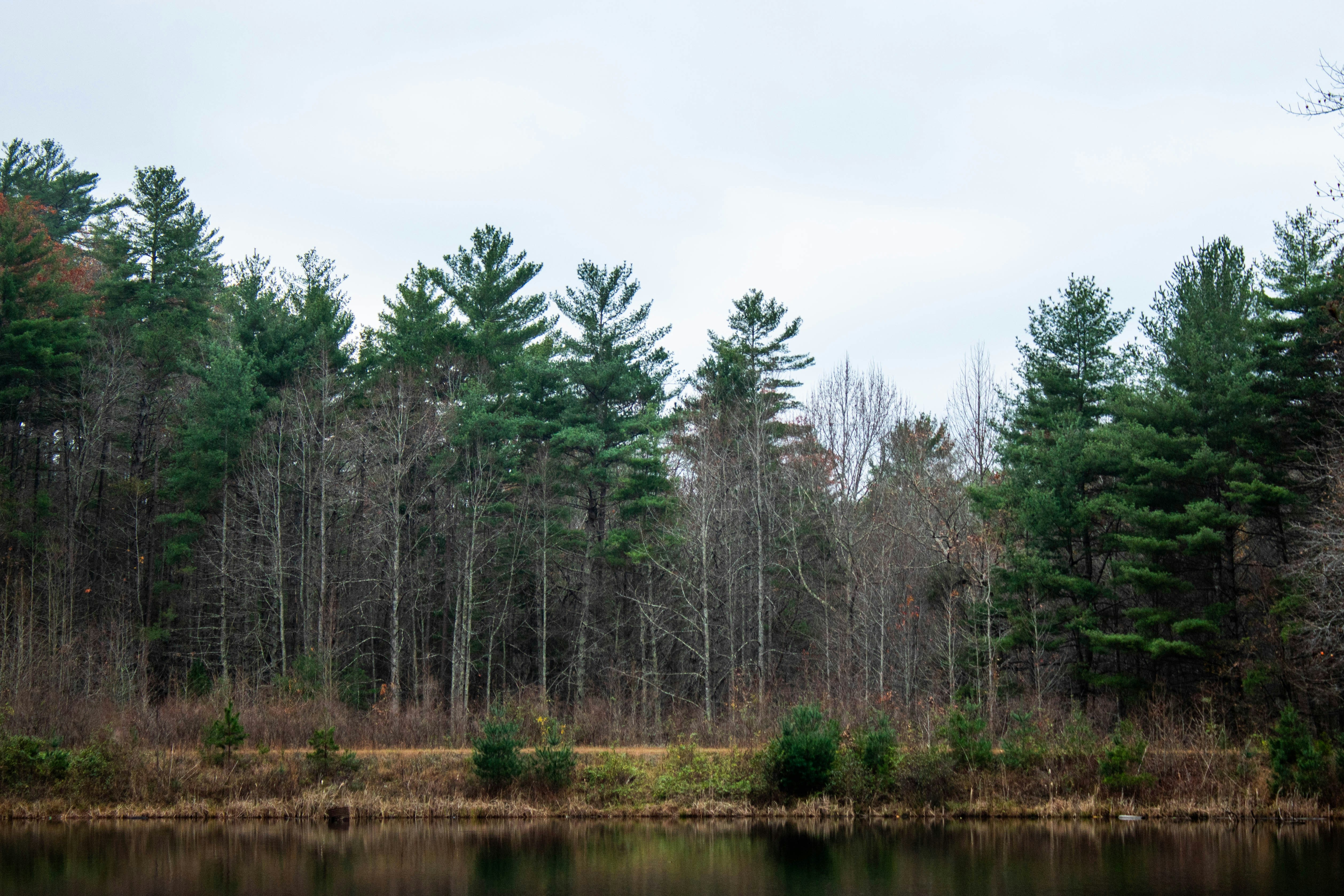
Evaluating Wetland & Timberland Potential for Hunting Investments in Northwest Tennessee
For recreational buyers and land investors alike, purchasing hunting property in Northwest Tennessee offers a rare dual benefit: immediate outdoor enjoyment and long-term equity growth. With its position along the Mississippi Flyway, fertile river bottoms, and rolling hardwood tracts, our region is uniquely suited for world-class waterfowl and big-game habitat.
However, not all acreage is created equal. Understanding how to evaluate wetland dynamics, timber stands, and active land management strategies is essential to ensuring your investment delivers both incredible hunting seasons and maximum resale value.
1. Evaluating Wetland Potential: More Than Just Standing Water
When buyers look at wetland tracts across Weakley, Obion, or surrounding counties, they often look for surface water. But true land value lies in water control and habitat infrastructure.
Hydrology & Water Control: Property with natural lowlands, sloughs, or oxbows is a great start, but controllable water levels are what transform good land into premier waterfowl habitat. Water control structures (like levee systems or flashboard risers) allow you to flood standing crops or moist-soil vegetation precisely when migratory birds arrive.
Moist-Soil Management: A well-managed wetland doesn't rely solely on planted grain. Encouraging native smartweed, millet, and sedges provides vital nutrients for ducks while keeping input costs manageable.
Easement & Conservation Options: Programs like the Wetlands Reserve Easement (WRE) through the USDA Natural Resources Conservation Service (NRCS) can offer significant cost-share assistance for habitat restoration, improving habitat quality while offsetting development costs.
2. Timberland Valuation: Balancing Canopy, Cover & Capital
Timberland serves as the structural backbone of a high-yielding recreational tract. Whether targeting white-tailed deer, wild turkey, or duck blinds in flooded hardwoods, the composition and management of your trees directly impact land value.
Hardwood Stand Quality: Bottomland hardwoods—particularly oak species like pin oak, cherrybark oak, and willow oak—provide essential acorn crops (mast) that hold deer and ducks on your acreage throughout the fall and winter.
Timber Stand Improvement (TSI): Selective thinning and removing low-value canopy trees opens up the forest floor to sunlight. This promotes early successional growth—providing bedding cover for deer and forage for turkeys.
Current & Future Timber Yield: Healthy timber isn't just wildlife cover; it’s a living financial asset. A professional inventory of timber volume gives you a clear picture of current sawtimber value and future harvest revenues.
3. The Formula for Long-Term Resale Value
When it comes time to sell, buyers pay a premium for properties that are turnkey and professionally managed. An unmanaged, overgrown tract with poor access often sells at a discount because the buyer has to invest heavy capital to make it huntable.
To maximize future resale value, focus on three key land management pillars:
| Management Pillar | Action Items | Impact on Land Value |
| All-Weather Access | Establish clear interior trail networks, gravel road entry points, and sound culverts. | Allows year-round recreational use and easy equipment transit. |
| Edge & Buffer Creation | Create transition zones between timber, wetlands, and agricultural fields using native grasses. | Dramatically increases holding capacity for game animals. |
| Documented Management | Keep logs of soil tests, timber harvests, burn schedules, and wildlife usage. | Proves property history and habitat productivity to prospective buyers. |
Partnering with Local Agricultural & Land Experts
Evaluating hunting property requires more than a quick drive-by—it demands an understanding of soil composition, drainage patterns, forestry dynamics, and local wildlife behavior.
At United Country | Winstead Real Estate & Land Co., our lead brokers hold degrees in agricultural engineering from the University of Tennessee at Martin and bring decades of hands-on experience in farming, hunting, wetlands management, and livestock operations. We help clients look beyond the surface to identify true land potential, craft targeted management plans, and secure properties built for lasting value.