
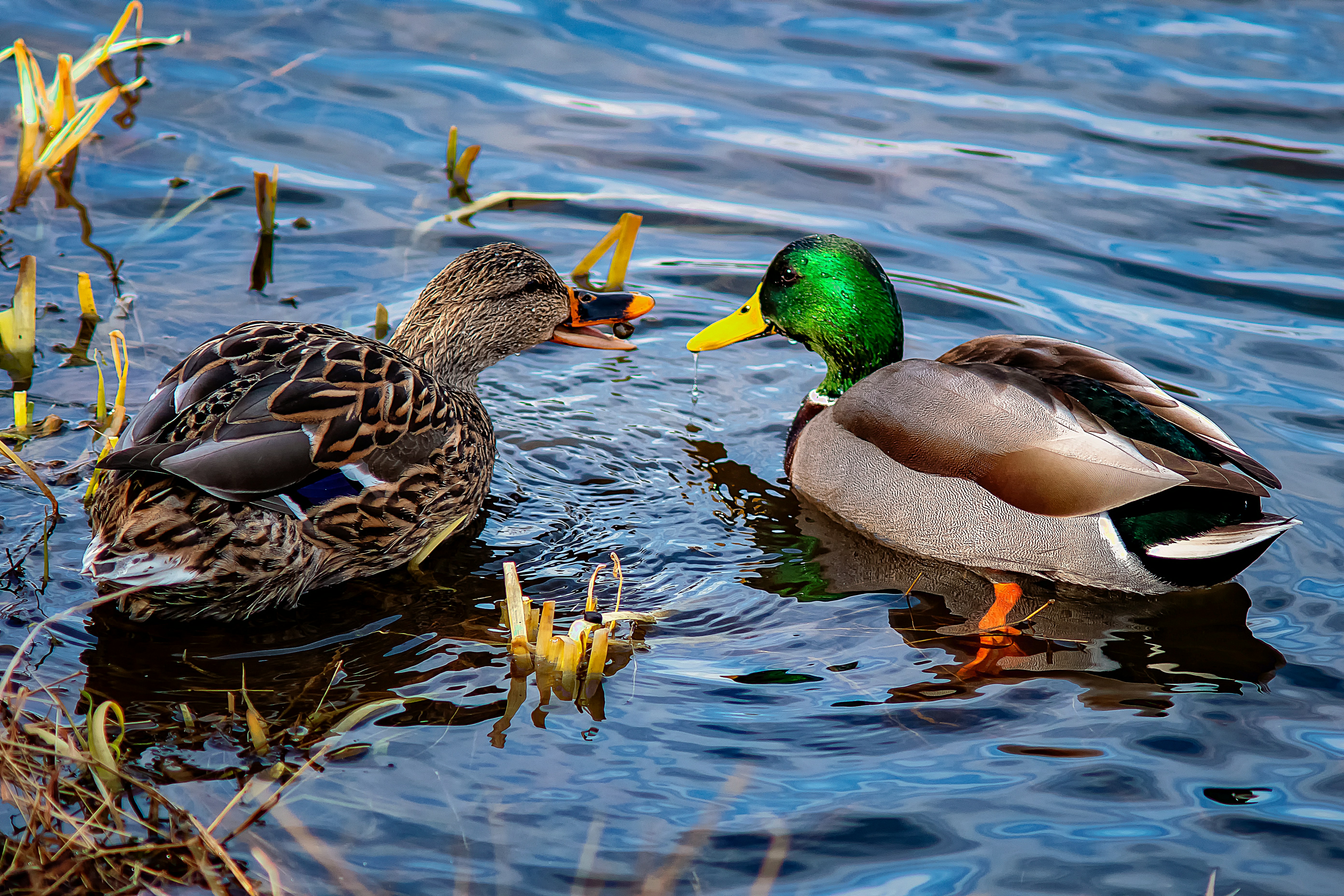
Dual-Season Whitetail and Waterfowl: Maximizing land management for big game in the fall and duck hunting in the winter.
Managing a property for both trophy whitetail deer and waterfowl requires balancing two distinct habitat profiles. When land sits along a major flyway and within a natural wildlife corridor—like acreage bordering protected state parks or national refuges—smart land management allows you to transition seamlessly from big game hunting in early autumn to duck season in late winter.
Phase 1: High-Protein Nutrition & Fall Transition (Late Summer – Early Autumn)
A successful dual-season strategy starts months before opening day. Late summer habitat management determines whether mature bucks stay on your property or range elsewhere in search of food and cover.
Layered Food Plots: Establish year-round nutritional sources. In late summer, drill brassicas, cereal rye, and winter peas into early fall plots to support deer through the rut.
Sanctuary Zones: Designate 30–40% of your forested or dense brush acreage as strict sanctuary areas. Minimizing human pressure near bedding areas keeps mature whitetails on-site during heavy hunting pressure in neighboring areas.
Mast Tree Preservation: Protect hard mast producers like white oaks and red oaks along natural ridge lines and park boundaries. Acorns provide an unmatched natural draw during early archery season.
Phase 2: Waterfowl Management & Flooded Forage (Late Autumn – Winter)
As whitetail activity shifts toward post-rut survival, waterfowl season opens up. Preparing duck habitat requires proactive water and vegetation management long before northern greenhead migrations arrive.
| Management Focus | Action Strategy | Target Timing |
| Forage Planting | Seed moist-soil plants (smartweed, millet) or standing corn in low-lying impoundments. | Late Spring / Early Summer |
| Water Control | Close water control structures or activate on-site wells to flood low areas to a depth of 6–18 inches. | Late October – November |
| Roost Protection | Keep main water bodies undisturbed outside of morning hunt hours to maintain waterfowl retention. | Mid-to-Late Winter |
Phase 3: Seamless Dual-Season Layout Design
The biggest challenge in dual-season management is ensuring duck hunting activity doesn't blow whitetails out of the woods.
Establish Buffer Travel Corridors: Route ATV and hunter entry trails so that low-lying waterfowl blind access stays well away from key whitetail bedding ridges.
Visual Screens: Plant Egyptian wheat or giant miscanthus along field edges to screen hunter movement between timber stands and flooded impoundments.
Shared Strategic Values: Moist-soil impoundment edges double as rich nutritional transition zones for whitetails during late summer before water levels are raised for duck season.
By coordinating timber management, agricultural forage, and water infrastructure, a single piece of recreational ground can deliver top-tier sporting opportunities from early bow season straight through the final days of waterfowl migration.