
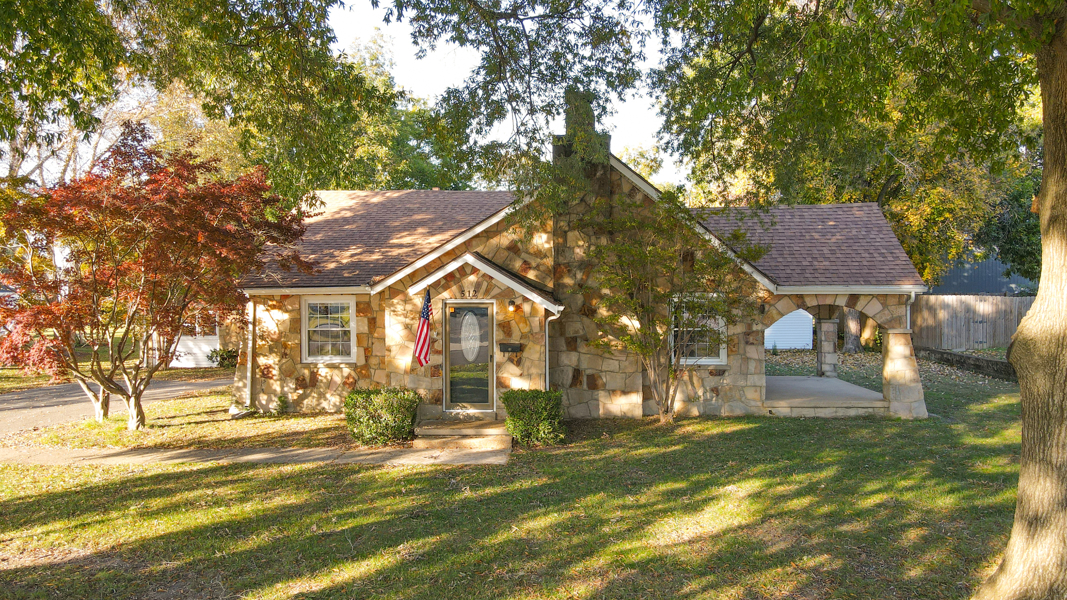
You’re scrolling through local listings, checking out the acreage or that perfect home in town, when you see it. The perfect property. But right across the main photo, there’s a new banner: Under Contract.
Your heart sinks a little. Is it officially gone? Should you take it off your spreadsheet and keep moving?
Not so fast.
In the real estate world, seeing "Under Contract" means a massive milestone has been reached, but the finish line is still a ways off. Here at Winstead Real Estate & Land Co., we like to say a property in this stage is "under contract, but not yet under roof."
Here is exactly what that status change means for buyers and sellers in Northwest Tennessee—and why you shouldn’t lose hope just yet.
What Does "Under Contract" Actually Mean?
Simply put, "Under Contract" means the seller has accepted an official offer from a buyer. Both parties have signed a legally binding purchase agreement, earnest money has likely been deposited into an escrow account, and the property is temporarily taken off the active market.
However, "Under Contract" does not mean "Sold."
Think of this phase as a trial period where both the buyer and the seller have a checklist of rules to follow before the keys—or the deed—can actually change hands. These rules are called contingencies.
The Hurdles: Why Deals Can Still Fall Through
A property stays under contract while the buyer works to clear their contingencies. If any of these hurdles can’t be cleared, the contract can dissolve, and the property goes right back on the active market.
While a standard residential home in town might close in 30 to 45 days, rural properties and large land tracts in our area often require a bit more time during this phase due to unique logistics.
Here are the big reasons a deal might hit a bump in the road:
The Home & Property Inspection: A home inspector checks the roof, foundation, and HVAC. For country properties, this also includes testing the well water and septic system. If major, unexpected issues pop up, a buyer might walk away.
The Land Survey & Boundaries: When dealing with West Tennessee acreage, farm, or timberland, a professional survey is often required. If there’s a property line dispute or the acreage count comes back lower than expected, the contract can stall.
The Appraisal: A bank will only lend what a professional appraiser says the property is worth. If a piece of hunting land or a home appraises for less than the agreed purchase price, the buyer and seller have to renegotiate—or the deal falls apart.
Financing Approvals: Even pre-approved buyers have to go through final underwriting. If a buyer loses a job, takes out a new line of credit, or encounters a financing hiccup before closing day, the deal collapses.
What Should You Do If It’s Your Dream Property?
If your dream home in Martin or that ideal hunting tract in Weakley County goes under contract, don’t delete the bookmark just yet. Instead, take these two steps:
1. Let Us Call the Listing Agent
Deals can be shaky. We can reach out to find out how solid the current offer is. Is it contingent on the buyer selling their own home first? Are there tight timelines? Knowing the "temperature" of the contract gives us a massive advantage.
2. Submit a Backup Offer
If you are absolutely in love with the property, you can submit a formal backup offer. If the primary buyer's financing falls through or they walk away over an inspection issue, your offer instantly moves into the first-place position. You skip the line and avoid a chaotic bidding war when the property goes back on the market.
📝 The Bottom Line
For sellers, going "Under Contract" is a reason to celebrate, but it's also when the real logistical work begins. For buyers, it means a property is paused, but not necessarily permanent history.
Whether you’re trying to navigate the contract phase on a major land investment or looking to position yourself for the perfect backup offer, having an experienced local team makes all the difference.
Have your eye on a local property or ready to list your own?